
Why is bitcoin breaking $97,000
The expected warming of the Federal Reserve easing, the continued ingestion of core agencies during retreats, the chain valuations into historical value zones, and co-mobilization of funds
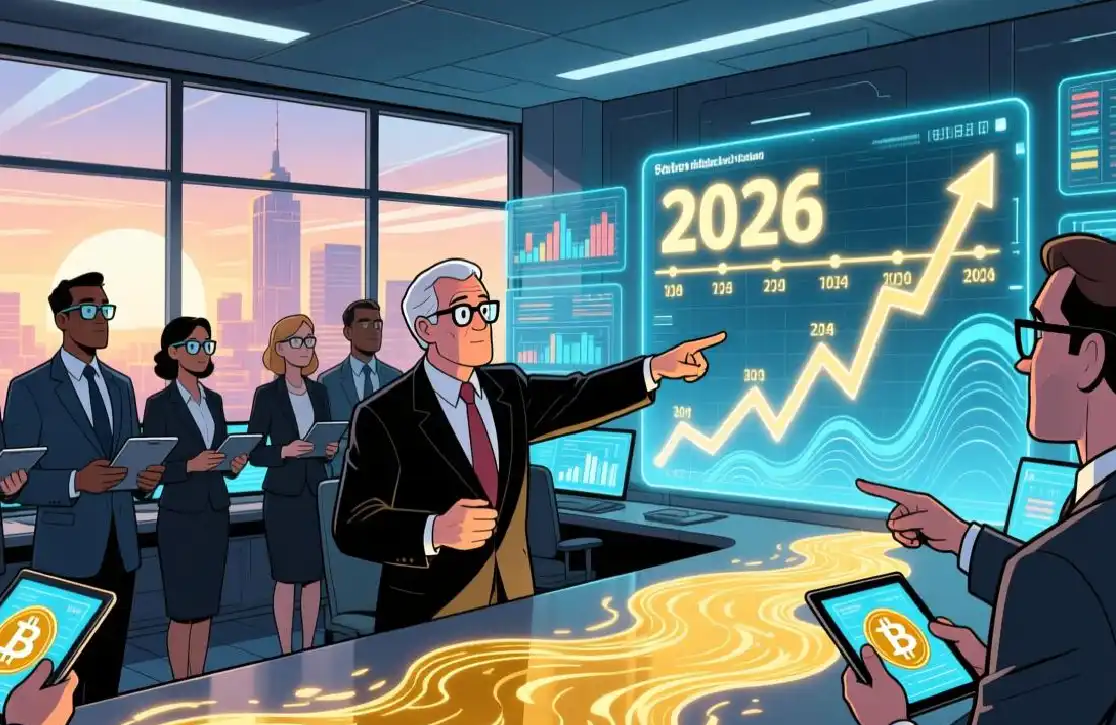
Original title: Bitcoin's Strategic Reborn: A Post-CPI Bull Case for 2026
This post is part of our special coverage Syria Protests 2011
Photo by Peggy Block Beats
EDITOR: LAST NIGHT, BITCOIN BROKE SHORT, 24 HOURS UP BY 3.91 PER CENT. FROM THE THREE LINES OF MACRO-LIQUIDITY, INSTITUTIONAL BEHAVIOUR AND CHAIN VALUATION, THIS PAPER EXPLAINS WHY BITCOIN STILL HAS THE POTENTIAL FOR A STRUCTURAL REBOUND: FIRST, IF THE FEDERAL RESERVE STARTS INTEREST-RATE REDUCTIONS AND QE IN 2026, LIQUIDITY RETURNS WILL RAISE RISK ASSET VALUATIONS; SECOND, WHEN THE MARKET RETREATS, ETF FUNDS WITHDRAW, BUT CORE AGENCIES CONTINUE TO INHALE IN VOLATILITY, PRE-EMPTING THE REBOUND; AND THIRD, MULTIPLE CHAIN VALUATION INDICATORS SHOW THAT BITCOIN IS APPROACHING HISTORICAL “VALUE HORIZONS”, PROVIDING A MORE COST-EFFECTIVE ENTRY WINDOW FOR MEDIUM- AND LONG-TERM FINANCE。
The following is the original text:
THE ENCRYPTED CURRENCY MARKET, ESPECIALLY THE BITCOIN (BTC), HAS LONG BEEN RECOGNIZED AS AN IMPORTANT INDICATOR OF MACROECONOMIC CHANGE AND INSTITUTIONAL SENTIMENT. AS WE MOVE TOWARDS 2026, MULTIPLE PROFITS AT THE MACRO LEVEL AND THE RETURN OF INSTITUTIONAL FUNDS ARE GATHERING TO LAY THE GROUNDWORK FOR A STRATEGIC REBOUND IN BITCOIN PRICES. THIS PAPER WILL ANALYSE HOW THE FEDERAL RESERVE ' S POLICY PATH, INFLATION COOLING AND CHANGES IN INSTITUTIONAL BEHAVIOUR COLLECTIVELY CONSTITUTE A POWERFUL MULTI-LOGIC LOGIC OF BITCOIN OVER THE COMING YEAR。
Macro-trends: Federal Reserve policy shifts and incentives from inflation
THE FEDERAL RESERVE ' S DECISION TO LAUNCH INTEREST-RATE AND QUANTITATIVE EASING (QE) IN THE FIRST QUARTER OF 2026 MARKED A CRITICAL SHIFT IN MONETARY POLICY. THESE MEASURES ARE AIMED AT STIMULATING ECONOMIC GROWTH AND RESPONDING TO THE PERSISTENT BUT DECLINING INFLATIONARY PRESSURES. FROM HISTORICAL EXPERIENCE, SUCH POLICIES USUALLY BENEFIT FROM RISK ASSETS, INCLUDING BITCOIN。
BY THE END OF 2025, THE CORE CPI HAD COOLED TO 2.6 PER CENT, ALLAYING MARKET CONCERNS ABOUT LONG-TERM HIGH INFLATION AND REDUCING THE URGENCY OF CONTINUING TO RAISE INTEREST RATES SIGNIFICANTLY. IN SUCH AN ENVIRONMENT, FUNDS ARE MORE LIKELY TO BE REALLOCATED TO ALTERNATIVE ASSETS, WHILE BITCOIN IS INCREASINGLY SEEN AS "DIGITAL GOLD" AND A DIGITAL ASSET OPTION FOR TARGETED GOLD。

IN PARTICULAR, THE FEDERAL RESERVE ' S QE PROGRAMME IS LIKELY TO FURTHER ENHANCE LIQUIDITY IN FINANCIAL MARKETS AND PROVIDE A FAVOURABLE EXTERNAL ENVIRONMENT FOR HIGHER PRICES OF BITCOIN. IN TERMS OF HISTORICAL PERFORMANCE, THE AVERAGE RATE OF RETURN FOR BITCOIN IN THE FIRST QUARTER WAS ABOUT 50 PER CENT, A PHASE THAT WAS OFTEN ACCOMPANIED BY A RESTORATIVE REBOUND TO FLUCTUATIONS IN THE FOURTH QUARTER. AS CENTRAL BANKS INCREASINGLY SHIFT THEIR POLICY FOCUS FROM “CONTROL INFLATION” TO “PRIOR GROWTH”, THE MACRO NARRATIVE AROUND BITCOIN IS MOVING FROM DEFENSIVE LOGIC TO A MORE CONSTRUCTIVE VIEW OF MULTI-FRAMEWORK。
Institutional return: sustained inhaling during fluctuations
Despite significant financial outflows at the end of 2025, such as the net outflow of $6.3 billion recorded in November by Bitcoin ETF, the institutional interest in bitcoin remained strong. Companies such as MicroStrategy are still growing: they bought 11,000 new bitcoins (approximately $1.1 billion) in early 2025。
At the same time, medium-sized warehousers have further increased their share of the total supply of bitcoin in the first quarter of 2025, and this type of tactical buy-in in the midst of fluctuations reflects the long-term commitment of institutions to position the "value storage tool" of the currency against medium-sized funds。
THE DEVIATION BETWEEN THE ETF OUTFLOWS AND THE CONTINUED GROWTH OF INSTITUTIONS HIGHLIGHTS A MORE SUBTLE STRUCTURAL CHANGE IN THE MARKET: WHEN PRICES FALL, THE DISLODGE-DRIVEN ETF FUNDS CHOOSE TO RETREAT, WHILE THE MORE CENTRAL INSTITUTIONAL INVESTORS APPEAR TO BE SETTING UP A REBOUND。
This trend is also consistent with the pattern typical of the history of bitcoin: despite the long-term upward trajectory of bitcoin as a whole, short-term holders tend to continue to “sell off” in fluctuations. This can be verified by the fact that the short-term holder has spent the output margin (Short-Term Holder Spent Output Profit Ratio, SOPR): at the beginning of 2025, the indicator was maintained for more than 70 consecutive days, below 1, meaning that the short-term holder was generally in a position of loss at the time of sale。
Such behaviour usually means that the market is entering the stage of "long-line financing." When short-term funds are forced to leave, more strategic buy-in windows are created for long-term investors and conditions are made for institutions to find entry points for low-level layouts。
Chain indicator: in the "value zone" but still to be alert to the risk of evaporation
BTC ABSOLUTE KINETIC POLICY (MORE)
When the 252-day increase (Rate of Change) is positive and 200-day simple moving mean lines (200-day SMA) are on the price register. 200 days when the price will collapse; or exit when any of the following conditions are triggered: 20 transactions are ready to exit later; cessation gains (TP) + 8 / loss (SL) - 4%
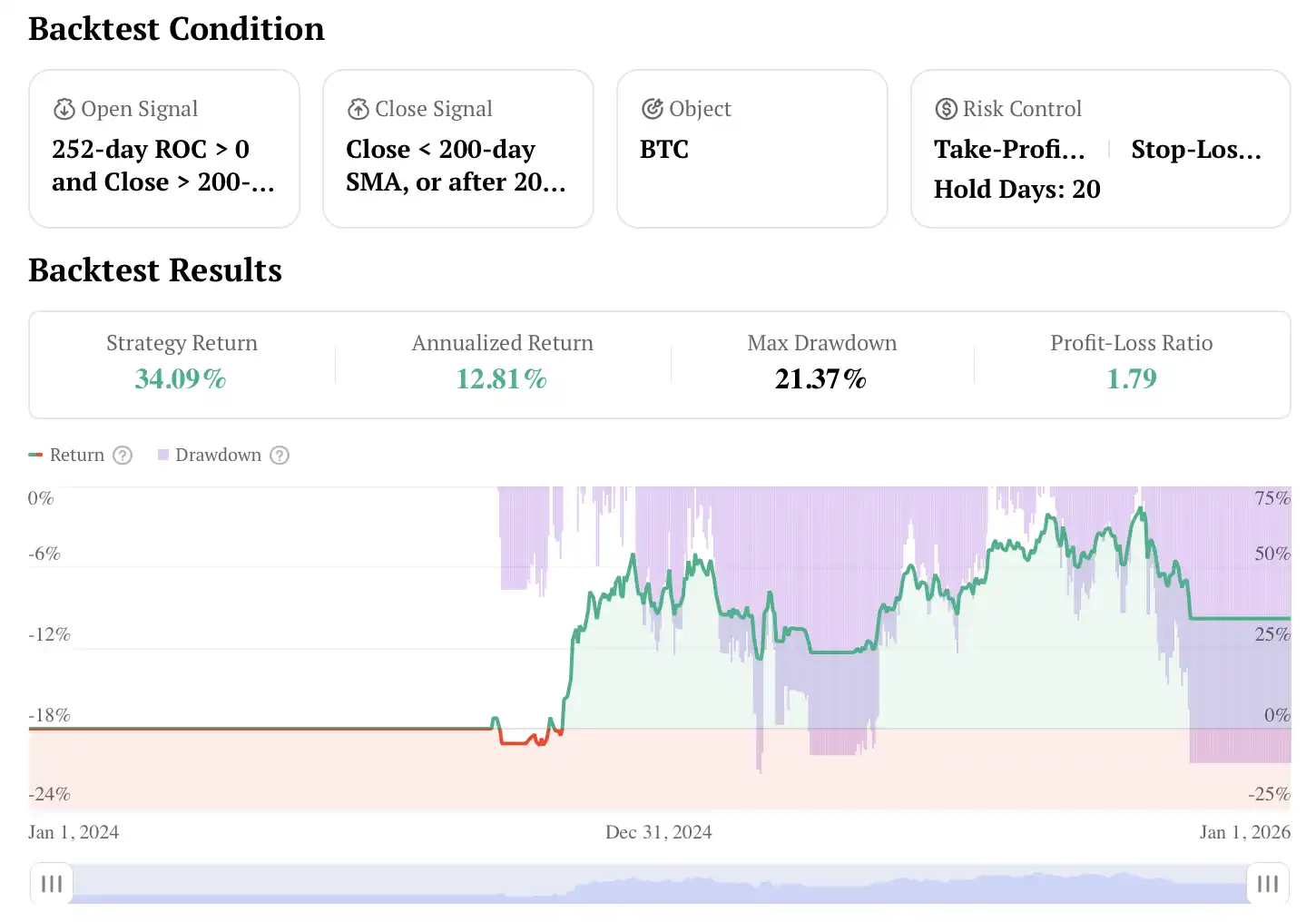
At the end of 2025, there was a marked reversal in the price movement of bitcoin: the cumulative decline was about 6 per cent throughout the year and more than 20 per cent in the fourth quarter. At the same time, the chain signals are divided. On the one hand, indicators such as Percent Addresses in Profit continue to weaken, and long-term holders sell more; on the other hand, indicators such as Dynamic Range NVT and Bitcoin Yardstick suggest that Bitcoin may be in historical "value zones" similar to the valuations that have occurred in many important regions in the past。
This contradiction means that the market is at a critical turn-off: short-term vision trends continue, but bottom fundamentals suggest that assets may be underestimated. For institutional investors, this structural fragmentation offers an asymmetrical opportunity — with limited downside risk and considerable potential for rebound. This opportunity was further amplified, especially when the Federal Reserve’s policy shift to Bitcoin’s historical performance in the first quarter of 2026 was likely to be co-catalyzed; at the same time, Bitcoin’s narrative as an “inflation-resistant asset” was being re-accepted。
Conclusion: The rebound in 2026 is under way
MACRO-SLOWNESS AND THE RETURN OF INSTITUTIONAL FUNDS ARE ADDING UP TO A MORE CONVINCING 2026 BITCOIN LOOKING AT LOGIC. THE OPENING OF THE FED’S INTEREST RATE REDUCTION AND QE, COMBINED WITH A GRADUAL SLOWDOWN IN INFLATION, COULD DRIVE MORE LIQUIDITY TO ALTERNATIVE ASSETS, INCLUDING BITCOIN; AND EVEN UNDER LARGE FLUCTUATIONS IN THE FOURTH QUARTER OF 2025, CONTINUED INSTITUTIONAL BUY-IN REFLECTS, TO SOME EXTENT, CONFIDENCE IN THE LONG-TERM VALUE OF THE COIN。
For investors, the core conclusion is clear: the subsequent "strategic rebound" of Bitcoin is not just a repair at the price level, but the result of a shift in the monetary policy environment and institutional behaviour toward co-managing. When the market finds a new equilibrium in this round of transition, those who have earlier identified macro- and institutional trends as beginning to converge may take a more advantageous place in the next phase of the situation in the currency。
[ Chuckles ]Original Link_
